Therapy Services for Children, Adolescents, and Parents
Play Therapy is Kid Therapy.
Play therapy is an effective treatment for a wide range of challenges children face, from ADHD and anxiety, depression and poor self-esteem, to challenges with loss, change, and executive and functioning and social dynamics. It is typically offered to children ages 3-12, and is appropriate for children with autism and other forms of neurodivergence. Through play therapy, children build key emotional communication, regulation, and social skills. They learn to process difficult experiences in healthy, age-appropriate ways, and develop real confidence in themselves and their ability to tolerate frustration, uncertainty, and stress.
Child-centered play therapy follows the lead of the child within a highly intentional environment and therapeutic relationship. No two child therapy sessions will look identical, and may include a range of creative activities and conversations. But you can trust that even when the sessions don’t seem to make sense as “real therapy” to us adults, they are clinically strategic and deeply impactful. My playroom is set up so that kids younger and older will feel at home and not patronized, though some prefer to bring games and other supplies into my cozy, more traditional therapy office.
Tweens and teens may still benefit from play therapy techniques, but their therapy looks more like talk therapy for adults, with plenty of room for age-appropriate experiential and creative activities.
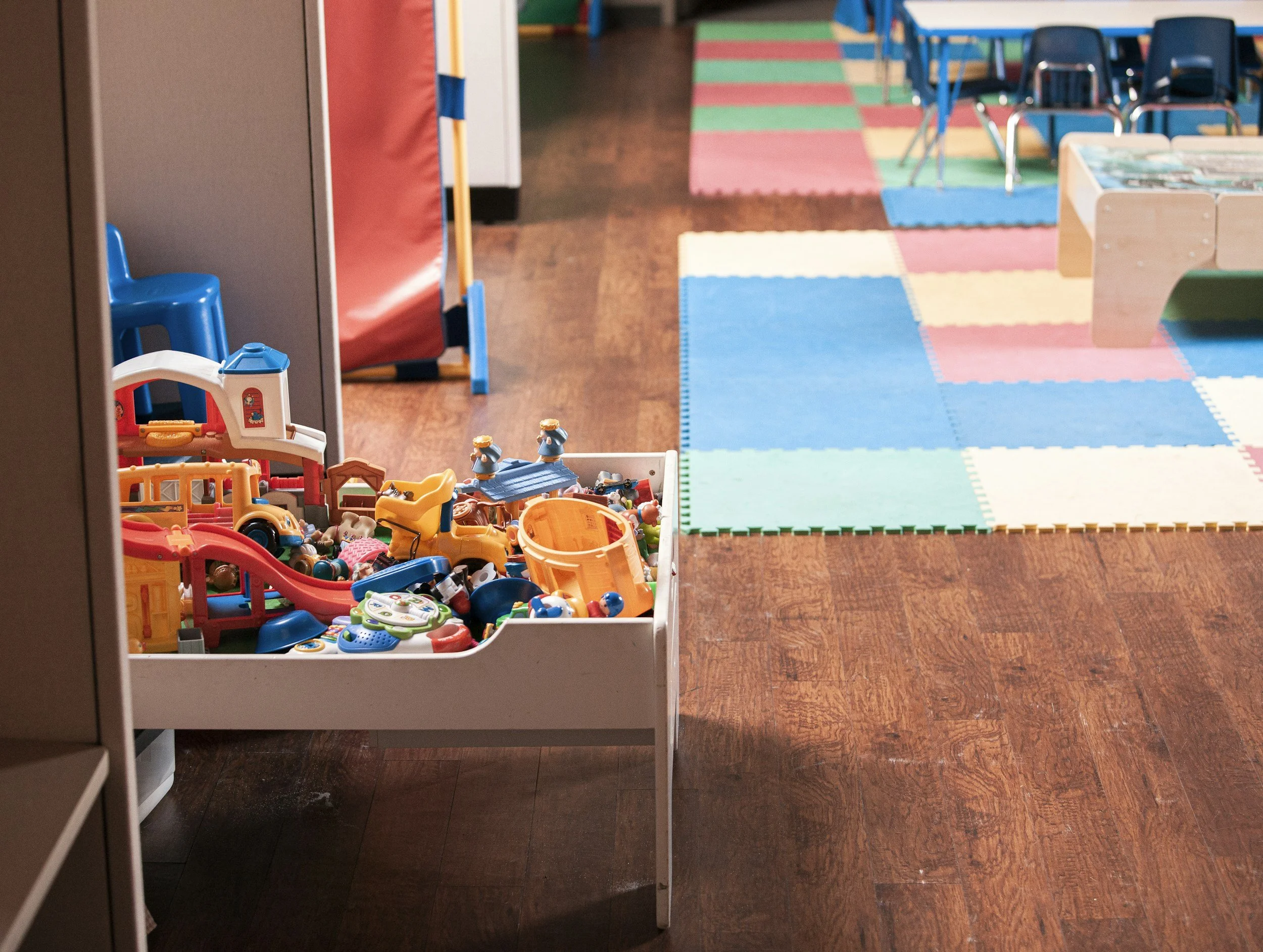
Is Play Therapy right for your child?
“Ariana has been truly instrumental in helping my son navigate big emotions related to ADHD and significant family changes. From the very beginning, she created a warm, safe environment where he quickly felt comfortable, trusted her, and was able to open up in ways that don’t come easily for him. Her ability to connect with children is remarkable — she meets them exactly where they are while gently helping them build the tools they need to understand and manage their feelings. Beyond the work she does with my son, she has also been an incredible support to me as a parent, offering practical strategies, insights, and encouragement that have made a meaningful difference in how I can show up for him. The biggest testament to her impact is that my son genuinely looks forward to seeing her every week. We are so grateful for the care, skill, and dedication she brings to her work.”
Adolescents and parents need a therapist they can both trust.

Tweens & Teens Mental Health
Develop lifelong skills to manage mental health symptoms, from anxiety to body image and poor self-esteem, depression to difficulties in family or peer relationships.
Navigating Identity, Change, & Relationships
Support for adolescents navigating new phases of their life and evolving identity, and the unique pressures and transitions of this age.
Middle School, High School, and College Readiness
School transitions involve many changes at once. As kids enter each of these new phases, they must adapt to new expectations, responsibilities, and pressures. Therapy can help them feel more confident and capable taking on these big transitions.

Collaborative Parent Support
For parents, it can feel scary when a child is struggling, and it's natural for parents to feel a sense of urgency and vulnerability about their child seeing a therapist. We will work together to build a therapeutic relationship that feels collaborative, communicative, and helpful, and which works to strengthen the child-parent relationship, regardless of what brings your family to therapy. I take great care in becoming a trusted member of your family’s support network and work to honor your family’s values, and your short and long-term goals for therapy.
I enjoy working with parents to feel more confident and capable in parenting. Parent-only sessions are an invaluable part of therapy for kids. You might also choose to work with me for parenting support alone, without seeing your child directly. While the playroom is primarily the child's domain, intentional parent-child play sessions, when appropriate, and regularly scheduled parent-only check-ins, support you and your child. In these sessions, we will exchange updates on your child’s behavior and experiences at home, school, and in therapy, and review strategies you can try to support your child and their work in therapy.
My work with parents is guided by Positive Discipline and other anti-shame, pro-attachment parenting methods!